
Release time:2026-05-08 15:52
Browse:97
Nanjing: A Millennium of Memory and Modern Vitality
Nanjing, the capital of Jiangsu Province in eastern China, is a city of profound depth. Straddling the southern bank of the Yangtze River, it is a place where the weight of history is palpable in the air, yet the energy of a modern metropolis pulses through its streets. As one of the Four Great Ancient Capitals of China, Nanjing has served as the heart of the nation for dynasties spanning over two millennia, leaving behind a legacy that is both magnificent and, at times, heartbreaking.
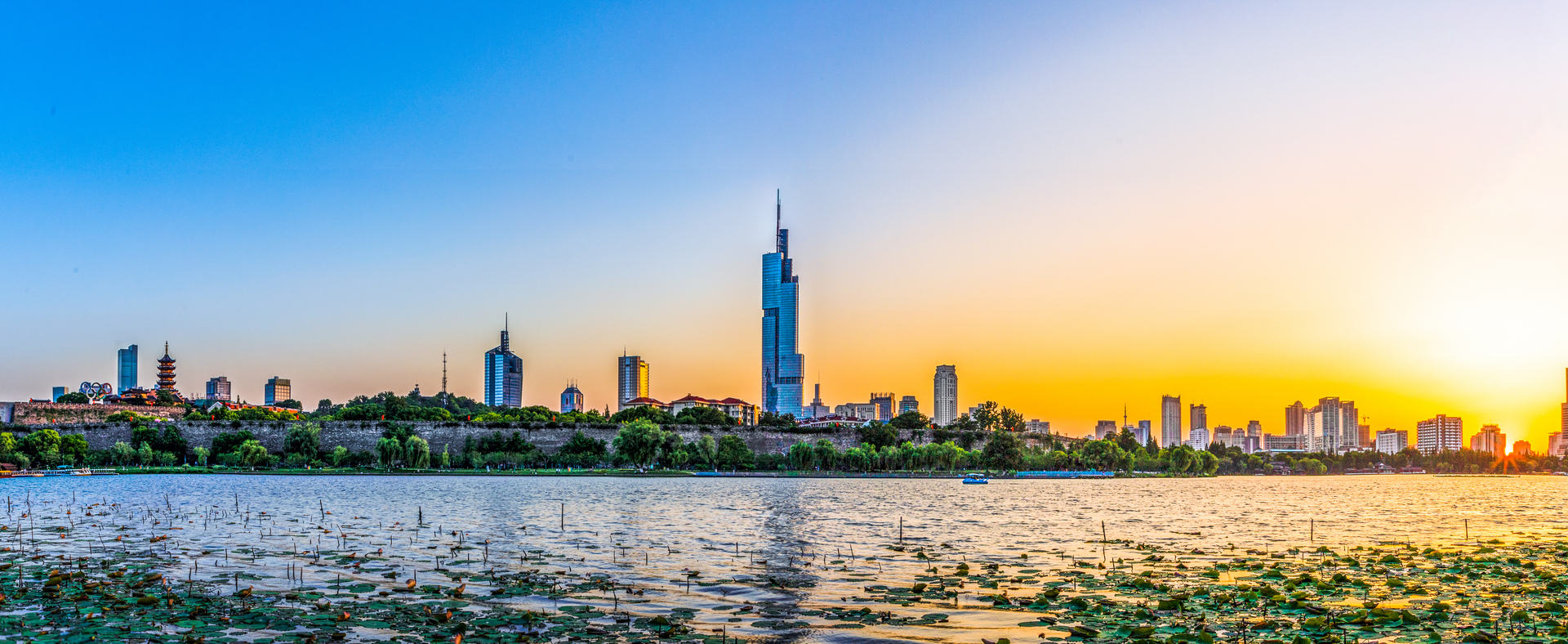
The city’s historical narrative is etched in its very landscape. The most iconic symbol is the “Zhonghua Gate”, a formidable fortress with a complex system of three barbicans that stands as a testament to Ming dynasty military architecture. Not far away, the “Ming Xiaoling Mausoleum”, a UNESCO World Heritage Site, marks the resting place of the Hongwu Emperor, the founder of the Ming Dynasty. Its sacred path, lined with stone animals and officials, winds through a serene forest, offering a peaceful retreat from the urban bustle. For a glimpse into the city’s cultural soul, the “Confucius Temple (Fuzimiao)” area along the Qinhuai River is a vibrant hub. By day, it is a center of culture and learning; by night, the river glimmers with the reflections of traditional architecture, evoking the poetic atmosphere that has inspired scholars and artists for centuries.
However, Nanjing’s modern identity is inextricably linked to the 20th century. The city served as the capital of the Republic of China, a period that left behind a legacy of grand avenues and European-influenced architecture in the “Xiaolingwei” and “Zijin Mountain” areas. This era was tragically defined by the “Nanjing Massacre” of 1937-1938. Today, the “Memorial Hall of the Victims in Nanjing Massacre” stands as a somber but crucial site, a place of reflection, education, and a powerful testament to the city’s resilience and its commitment to peace.
Beyond its history, Nanjing is a thriving contemporary city. It is a major center for education, science, and technology, home to prestigious institutions like Nanjing University. The city’s natural beauty is dominated by “Purple Mountain (Zijin Shan)” , a sprawling green lung that contains not only the Ming Xiaoling but also the Sun Yat-sen Mausoleum and the ancient Linggu Temple. Modern Nanjing is also a city of grand ambitions, symbolized by the soaring “Nanjing Yangtze River Bridge”, a proud feat of engineering, and the sleek, modern skyline of the “Hexi New Town” district.
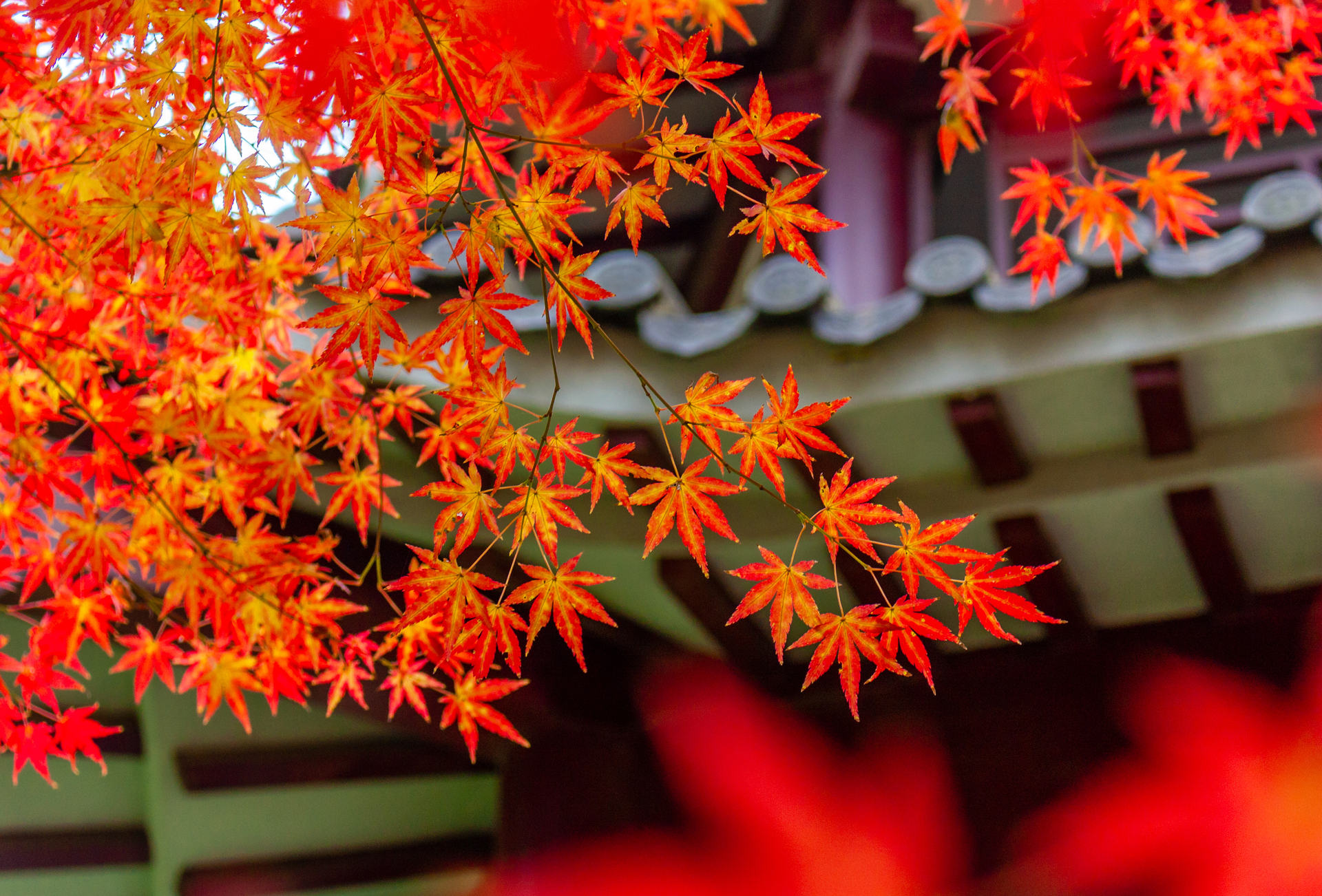
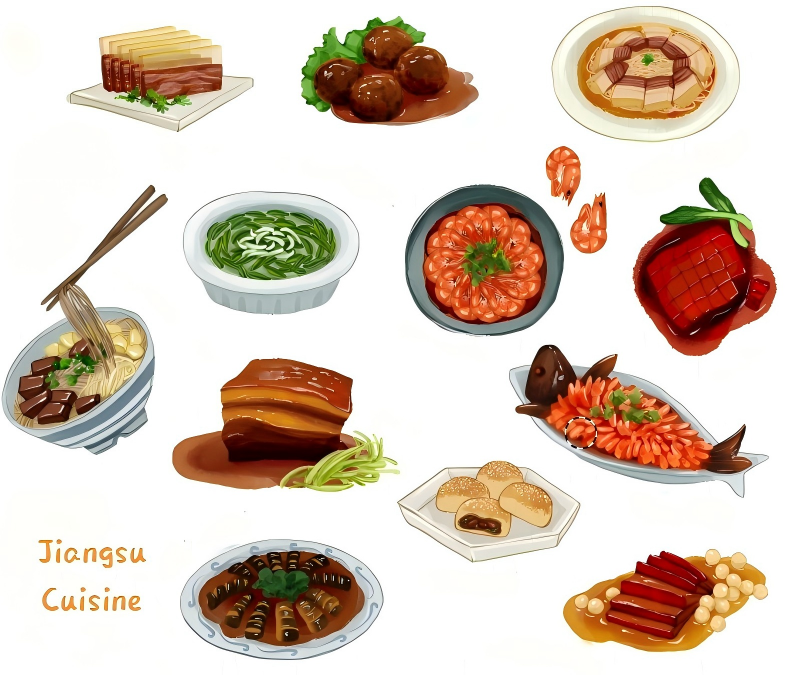
With a culinary scene that balances the richness of Jiangsu cuisine—famed for its delicate knife work and savory-sweet flavors—with the warmth of its people, Nanjing offers a complete experience. It is a city that does not shy away from its painful past but uses it to build a future of resilience, education, and cultural pride. To walk its ancient city walls, cruise its historic river, and witness its modern growth is to understand the enduring spirit of a city that has been at the center of Chinese civilization for over two thousand years.
Contact us




{{ 'en' == 'cn' ? item.name : item.name_en }}
{{ 'en' == 'cn' ? item.desc : item.desc_en }}